For many Catholics, June brings graduation celebrations, weddings, summer travel plans and the beginning of a busier season for families. Within the Church, however, June carries a deeper spiritual significance. It is traditionally dedicated to the Sacred Heart of Jesus, one of the most widely recognized devotions in Catholic life.
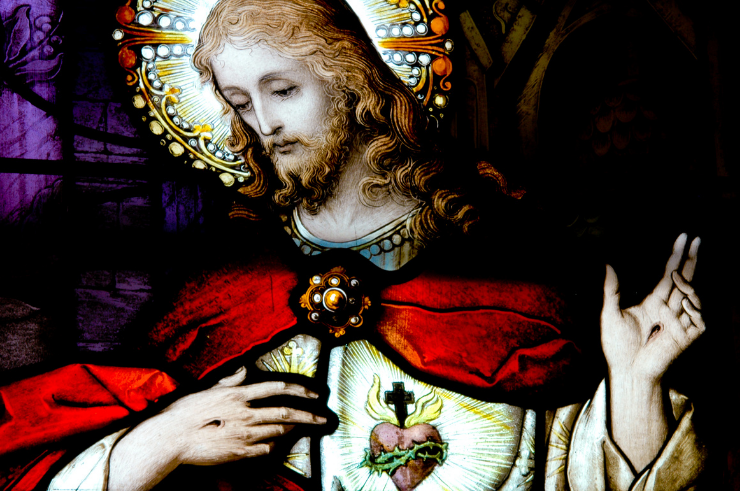
Many people are familiar with images of the Sacred Heart. Jesus is often shown pointing toward His heart, which is surrounded by thorns and topped with flames. For some Catholics, the image has been present in their home, parish or school for years. Even so, many do not fully understand why this devotion became so important or why the Church dedicates an entire month to it.
The answer is rooted in the life of Christ and the Church’s desire to help believers reflect more deeply on His love. The Sacred Heart is not simply an artistic image or a seasonal tradition. It represents the reality that Jesus entered human suffering, loved people personally and gave Himself completely for the salvation of the world.
The Biblical Meaning Behind the Sacred Heart
The devotion to the Sacred Heart became more formal in later centuries, but its foundation begins in Scripture.
Throughout the Gospels, Jesus consistently responds to people with compassion. He heals those who are sick, forgives those who have failed and spends time with people others often avoided. His interactions reveal a God who is not distant from human suffering.
One of the most significant passages connected to this devotion appears during Christ’s crucifixion in the Gospel of John. After Jesus dies on the cross, a soldier pierces His side with a spear.
“But one soldier thrust his lance into his side, and immediately blood and water flowed out.” (John 19:34)
For centuries, Catholics have reflected on this moment as a visible sign of Christ pouring Himself out for humanity. The image of His wounded heart became a powerful reminder that His love was not abstract. It came at a real cost.
Another passage often connected to this devotion comes from the Gospel of Matthew when Jesus invites those who are burdened to come to Him for rest. That invitation remains central to Sacred Heart devotion because it reflects His ongoing desire to draw people closer to Him.
How the Devotion Developed in Church History
The Sacred Heart devotion did not begin with one event or one saint. It developed gradually through centuries of prayer and theological reflection.
Early Christians often meditated on Christ’s wounds and His suffering on the cross. During the Middle Ages, saints such as Gertrude the Great and Mechtilde of Hackeborn wrote about Christ’s heart as a symbol of divine love and mercy. Their writings helped shape a deeper understanding of the devotion.
The devotion became more widely known in the seventeenth century through Margaret Mary Alacoque, a Visitation nun in Paray-le-Monial. She reported receiving visions in which Jesus revealed His Sacred Heart and expressed sorrow over humanity’s indifference toward His love.
According to her writings, Jesus encouraged practices that would help people respond more intentionally to Him. These included receiving Communion on First Fridays, spending time in prayer before the Blessed Sacrament, and approaching Him with greater trust.
Claude de la Colombière played an important role in helping spread the devotion and defending its legitimacy during a time when many remained skeptical.
Why June Became Associated with the Sacred Heart
The primary reason June became associated with this devotion is the Feast of the Sacred Heart of Jesus.
In 1856, Pope Pius IX extended the feast to the universal Church. The feast is celebrated each year on the Friday after Corpus Christi, which places it in June.
Over time, Catholics began treating the entire month as an opportunity to focus on the meaning behind the feast. Churches often hold special Masses and periods of Eucharistic adoration during this time. Some families pray Sacred Heart devotions at home, while others choose June as a time to renew personal prayer habits.
The tradition reflects something the Church has done for centuries by dedicating certain months to particular devotions that help Catholics stay connected to different aspects of their faith throughout the year.
What the Sacred Heart Symbol Means
The image of the Sacred Heart includes several details that carry theological meaning, but the overall message is straightforward.
The flames above the heart represent the intensity of Christ’s love. The crown of thorns reflects the suffering He willingly endured. The wound recalls His crucifixion.
Together, these symbols communicate that love and sacrifice cannot be separated in the life of Christ. The image reminds Catholics that His love was demonstrated through action, not sentiment.
That is one reason the devotion has remained relevant across generations. It gives believers a visual reminder of what Christ was willing to endure for humanity.
Why This Devotion Still Matters Today
It can be easy to view older Catholic devotions as relics from another era, especially when the imagery feels unfamiliar or overly traditional. The Sacred Heart has remained relevant because it speaks to something people still wrestle with today: the desire to be known, loved, and forgiven.
Modern life often leaves little room for reflection. People move quickly from one responsibility to the next and rarely stop long enough to examine what is shaping their lives. The Sacred Heart devotion interrupts that pattern by directing attention back to Christ and the reality of His personal love.
It also forces Catholics to examine whether faith has become passive. Going to Mass out of routine or identifying with the Church culturally is very different from allowing Christ to influence how someone treats their family, responds to hardship, or interacts with others.
At its core, the devotion asks whether Catholics are simply familiar with Christ or whether they are actually being changed by Him.
How Catholics Can Honor the Sacred Heart in June
Honoring the Sacred Heart does not require elaborate traditions.
Some Catholics attend Mass on the feast day. Others pray a Sacred Heart novena or spend time in Eucharistic adoration. Families may place an image of the Sacred Heart in their home as a reminder that Christ should remain central in family life.
Even small acts of prayer can make the month more meaningful. Families looking to build a consistent prayer habit may start with something simple, whether that means reading Scripture, setting aside quiet time each day or using short daily prayers that fit into a busy schedule.
The purpose of the month is not to complete a checklist of spiritual activities. It is meant to help Catholics reflect more deeply on Christ’s love and respond to it in a meaningful way.
A Connection to the Holy Land
The Sacred Heart devotion ultimately points back to real places connected to the life of Jesus in Jerusalem and throughout the Holy Land.
His ministry, crucifixion and resurrection happened in places that remain deeply meaningful to Christians around the world. Supporting Christian communities in these regions helps preserve that connection for future generations.
For many Catholics, reflecting on the Sacred Heart can also become an opportunity to pray for Christians living in the land where Christ lived.
June’s dedication to the Sacred Heart of Jesus is ultimately about remembering the depth of Christ’s love.
This devotion has endured because it points believers back to something central to Christianity: God entered human suffering and remained faithful through it.
That reminder remains just as relevant today as it was centuries ago.
Support Holy Land Christians